
Nutrition Guides & Resources
Explore our comprehensive collection of articles, guides, and educational resources on diet and nutrition for athletic performance and health optimization.

Macronutrient Balance for Peak Athletic Performance
Discover the optimal ratio of proteins, carbohydrates, and fats for your training phase. Learn how to structure your nutrition to maximize endurance, strength, and recovery.
Read More →
Pre-Workout Nutrition: Timing and Composition
Learn what to eat before training to fuel your workouts effectively. Explore the science of pre-exercise meal timing and optimal nutrient combinations for explosive energy.
Read More →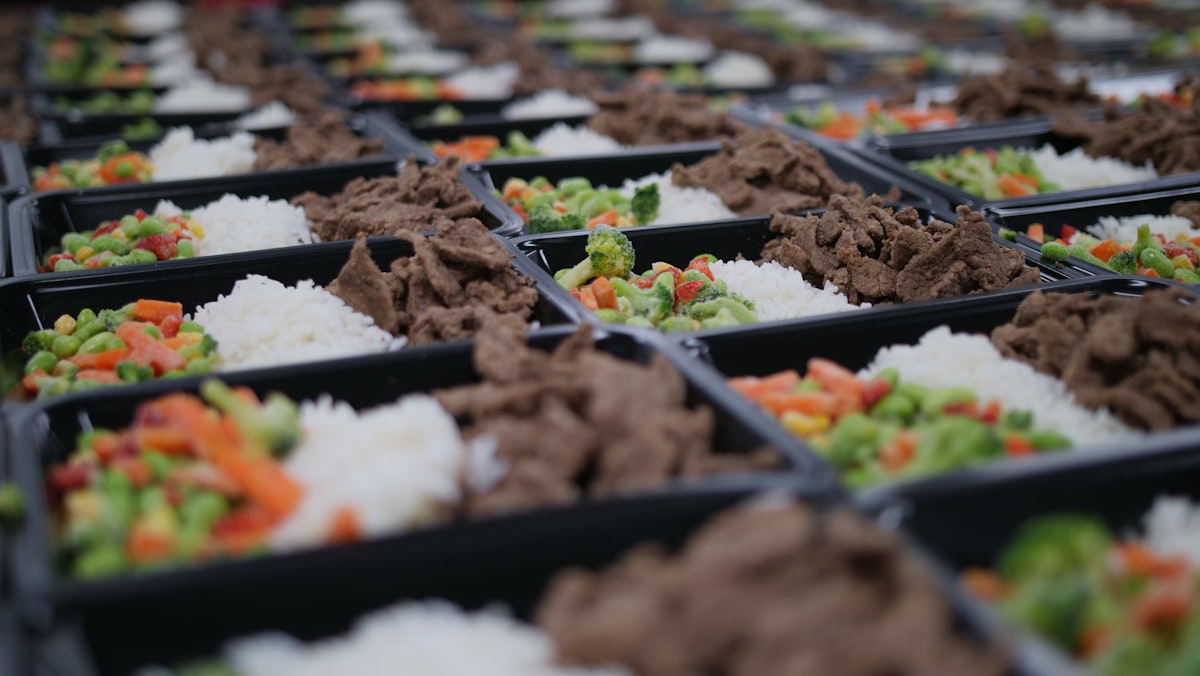
Post-Workout Recovery Nutrition Guide
Master the recovery window with strategic nutrition choices. Understand how to accelerate muscle repair, reduce soreness, and optimize adaptation through proper post-training fueling.
Read More →
Optimal Hydration Strategies for Athletes
Explore fluid intake protocols, electrolyte balance, and hydration timing. Learn how proper hydration directly impacts performance, endurance, and mental clarity during training.
Read More →
Essential Micronutrients for Athletic Excellence
Understand the role of vitamins and minerals in energy production, oxygen transport, and muscle function. Discover which micronutrients matter most for your performance goals.
Read More →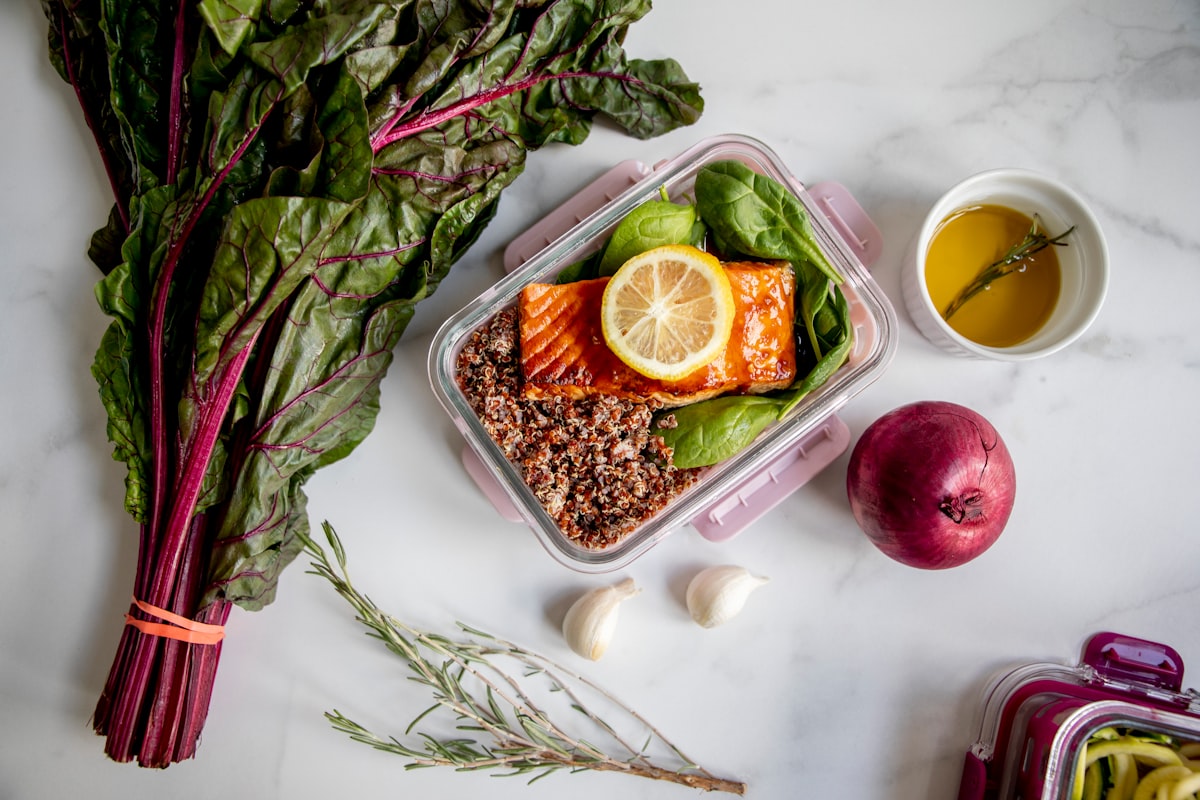
Body Composition and Nutrition Management
Learn evidence-based approaches to body composition change without compromising performance. Balance caloric intake with nutrient density for sustainable, athletic-focused results.
Read More →
Endurance Nutrition Protocols
Specialized nutrition strategies for long-distance training and competition. Master fuel availability during extended efforts and maintain performance across multiple hours of activity.
Read More →
Anti-Inflammatory Nutrition for Faster Recovery
Explore foods and nutrients that support natural recovery processes. Learn how dietary choices influence inflammation response and tissue repair following intense training sessions.
Read More →Featured Educational Resources
Access our most comprehensive guides and in-depth articles on sports nutrition science.
Complete Athlete's Nutrition Handbook
A comprehensive 12-part series covering everything from macro fundamentals to advanced periodized nutrition strategies for competitive athletes. Includes practical meal planning templates and real-world examples.
Explore Series →Performance Nutrition Science Articles
Research-backed articles exploring the latest discoveries in sports nutrition and exercise physiology. Learn how emerging science shapes modern training nutrition approaches and athlete optimization.
Read Articles →Browse by Topic
Performance Optimization
Training nutrition and athletic fueling strategies
Muscle Development
Protein intake and strength-focused nutrition
Energy & Stamina
Carbohydrate science and endurance fueling
Recovery Science
Post-workout nutrition and adaptation
Frequently Asked Questions
Strength athletes require higher overall caloric intake and greater protein consumption to support muscle protein synthesis. Their carbohydrate needs are typically moderate but strategically timed around workouts. Endurance athletes, conversely, need substantially higher carbohydrate intake to fuel longer training sessions, with protein requirements focused on recovery adequacy rather than maximization. Both benefit from proper micronutrient intake and hydration, but the macronutrient ratios differ significantly based on energy system demands.
Protein requirements for active individuals typically range from 1.6 to 2.2 grams per kilogram of body weight daily, depending on training intensity and goals. Strength athletes pursuing muscle development may benefit from the higher end of this range, while endurance athletes might perform well at the lower end. The most important factor is consistency—spreading protein intake across 4-5 meals daily optimizes muscle protein synthesis better than consuming all protein at once. Individual factors like age, training experience, and recovery status also influence optimal intake.
Meal timing depends on meal size. A large, balanced meal should be consumed 3-4 hours before training to allow for adequate digestion. A smaller snack can be eaten 1-2 hours before exercise, while easily digestible carbohydrates can be consumed 30-60 minutes pre-workout. Individual digestion varies, so experimentation during training helps determine your optimal window. The goal is sufficient energy availability without gastrointestinal discomfort during performance.
Post-workout nutrition plays a significant role in recovery optimization. Consuming carbohydrates and protein within 2 hours after training accelerates glycogen replenishment and initiates muscle protein synthesis. However, the "anabolic window" is more flexible than traditionally believed—total daily nutrition remains more important than immediate post-workout timing. Consistency with daily macronutrient targets matters more than perfectly timed meals. That said, convenient post-workout nutrition prevents excessive fatigue and supports consistent training quality in subsequent sessions.
Proper hydration is fundamental to athletic performance, affecting thermoregulation, cardiovascular function, and cognitive performance. Even mild dehydration (2% of body weight loss) significantly impairs endurance capacity and strength output. Athletes should develop individualized fluid intake strategies based on sweat rate, environmental conditions, and workout duration. Electrolyte balance—particularly sodium—is equally important for fluid retention and performance during extended efforts. Post-exercise rehydration should account for 150% of fluid loss over 4-6 hours to account for ongoing urine production.
Explore More Nutrition Education
Discover deeper insights into sports nutrition science and practical strategies for optimizing your athletic performance through evidence-based dietary approaches.